The wear mechanism depends on multiple factors, including impact intensity, stone and moisture conditions, operating angle, and material type.
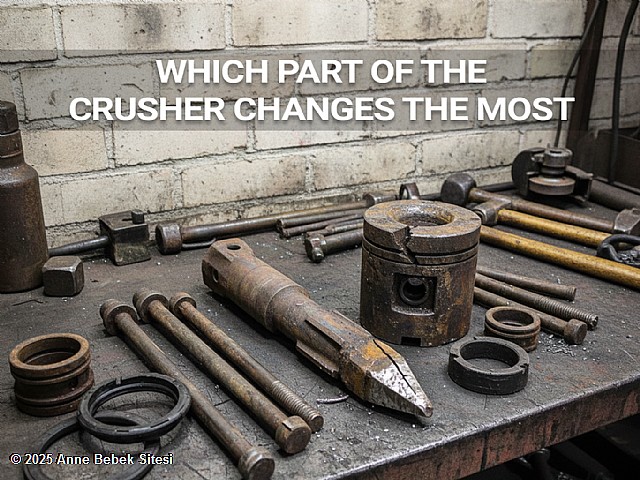
MOST FREQUENTLY WORN PARTS IN HYDRAULIC BREAKERS AND THEIR REPLACEMENT CYCLES
Hydraulic breakers are among the most critical attachments used in modern construction, mining, road construction, and demolition industries. The efficient and long-term operation of this equipment depends not only on correct operating techniques but also on the timely detection and proper replacement of worn components. No matter how powerful a breaker is, even minor wear can result in performance loss, unnecessary fuel consumption, increased load on the carrier machine, and serious mechanical failures.
1. TOOLS
Tools are among the most heavily worn components of a hydraulic breaker, as they are the only parts that directly transmit impact energy to the ground. They are manufactured in different shapes such as pointed, chisel, and blunt each optimized for specific applications.
The wear mechanism depends on multiple factors, including impact intensity, stone and moisture conditions, operating angle, and material type. The most common wear patterns include tool length reduction, rounding of chisel edges, surface discoloration due to overheating, micro-crack formation, and surface spalling. Hard applications such as asphalt demolition or granite breaking, which require high impact energy, significantly accelerate wear.
Replacement intervals vary depending on the breaker model, steel quality, lubrication practices, and operator behavior. Average replacement cycles are approximately 150–300 hours in high-intensity job sites, 300–500 hours in medium-duty applications, and 500–800 hours in light-duty operations. Visible surface discoloration, rapid wear, or noticeable shortening of the tool clearly indicate that replacement is required.
Correct operating practices such as applying the breaker at a 90° angle to the material, avoiding excessive pressure on a single point, preventing idle striking, and ensuring proper lubrication can reduce wear by up to 40%. High-quality breaker tools compatible with your machine can be quickly sourced from www.jackhammerparts.com .
INNER AND OUTER BUSHINGS – THE SILENT SHIELDS OF THE BREAKER
Bushings are critical components that keep the tool and piston centered, protecting both the breaker housing and main internal parts. When bushing wear is neglected, it can lead to costly piston failures.
The wear mechanism of inner and outer bushings is primarily caused by friction, insufficient lubrication, and incorrect operating angles. Common symptoms include ovalization, internal surface scoring, excessive clearance, tool hammering inside the bushing, and heat-related discoloration. As bushings wear, the tool gains excessive play, causing impact energy to be wasted and resulting in both performance loss and damage to surrounding components.
Replacement intervals depend on breaker size and operating conditions. In extremely demanding environments such as mining and tunneling, bushings typically require replacement every 250–400 hours; under medium-duty conditions, 400–700 hours; and in light-duty applications, 700–1000 hours. Clearance exceeding 1–2 mm, abnormal noise, excessive heat, or vibration are clear indicators that bushing replacement is necessary.
Methods to extend bushing service life include sufficient lubrication at the beginning of each shift, allowing the tool to rotate within the housing, avoiding side-loading or cross-operation, and selecting the appropriate breaker operating mode. Since bushing wear often directly translates into piston risk, this component group is of critical importance in hydraulic breaker maintenance.
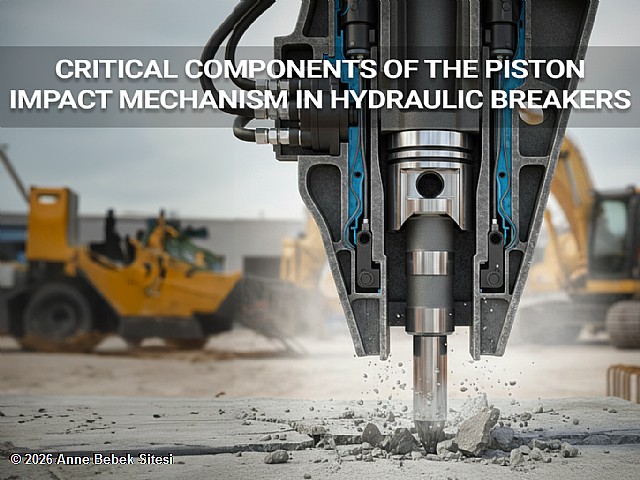
PISTON AND ITS COMPONENTS – THE HEART OF THE BREAKER
The piston is the primary component that converts hydraulic energy into mechanical impact force. For this reason, it is one of the most expensive and sensitive parts of a hydraulic breaker. Even the smallest scratch can lead to serious consequences.
The wear mechanism is mainly caused by insufficient lubrication, operating with worn bushings, side loading, accumulator pressure failures, and incorrect assembly. The most common types of damage include surface scratches and pitting, breakage at the piston tip, surface darkening due to overheating, and a reduction in impact frequency. Piston wear disrupts the entire impact cycle and can render the breaker completely inoperable.
Replacement intervals vary depending on operating conditions. In professional heavy-duty use, piston service life is typically 1000–1500 hours; in medium-duty applications, 1500–2500 hours; and in machines with excellent maintenance practices, 3000+ hours. However, improper operation or running the breaker with worn bushings can reduce this lifespan to as little as 200–300 hours.
Ways to extend piston life include replacing bushings before excessive wear occurs, using a proper lubrication system, strictly avoiding side impacts, keeping the breaker perpendicular to the working surface, and periodically checking accumulator pressure. Even though brands such as MTB, Soosan, and Atlas Copco (Epiroc) strengthen pistons through advanced heat treatment processes, incorrect usage can still cause rapid damage. With its high-quality products and wide product range, www.jackhammerparts.com helps you to easily find the piston you need.
WEAR DETECTION METHODS – KEY INDICATORS OPERATORS SHOULD MONITOR
Professional maintenance involves several inspection steps. The first is visual inspection, which includes checking bushing clearance, verifying whether the tool remains centered, inspecting covers for micro-cracks, and listening for changes in piston sound. Performance-related warning signs include reduced impact power, idle striking, increased hydraulic oil temperature, and higher-than-normal vibration levels.
Dimensional inspections are equally critical and include measuring bushing inner diameters, tool shank diameter, piston surface tolerances, and internal breaker clearances. Failure to perform these checks can lead to exponentially increasing costs. Delayed replacement of a worn bushing often results in piston damage, which can mean ten times higher repair costs, extended downtime, and machine stoppage at the job site resulting in daily revenue loss. Similarly, worn tools can cause 20–40% performance loss, increased fuel consumption, longer operating times, and higher loads on the carrier machine. In short, proper maintenance significantly reduces the total cost of ownership of hydraulic breakers.
Bu haber 15.12.2025 10:48:03 tarihinde eklenmiştir.
Tool Types and Application Areas
Uç Tipleri ve Uygulama Alanları
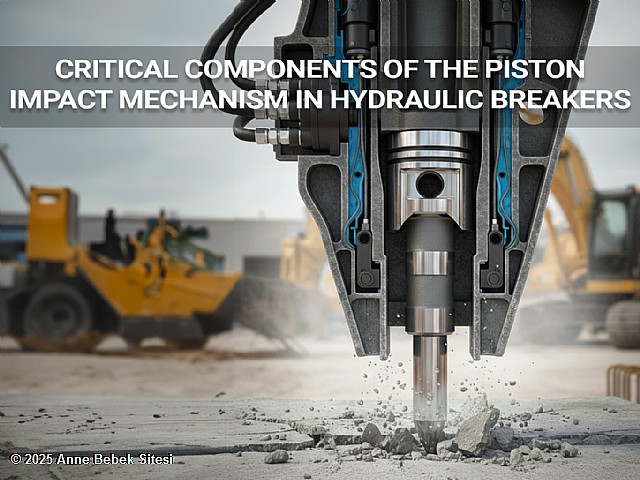
Critical Components Of The Piston And Impact Mechanism
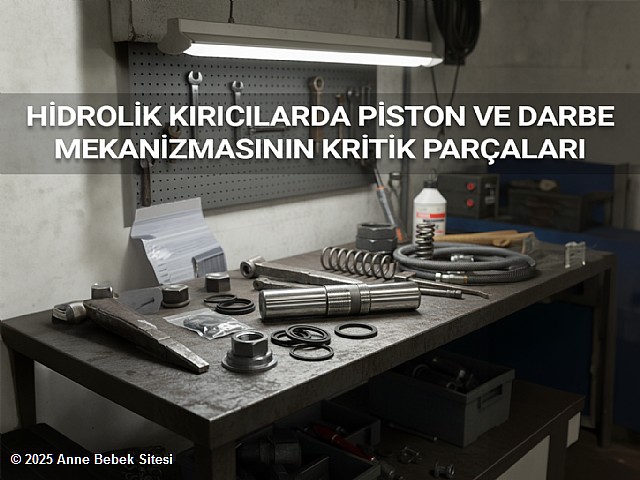
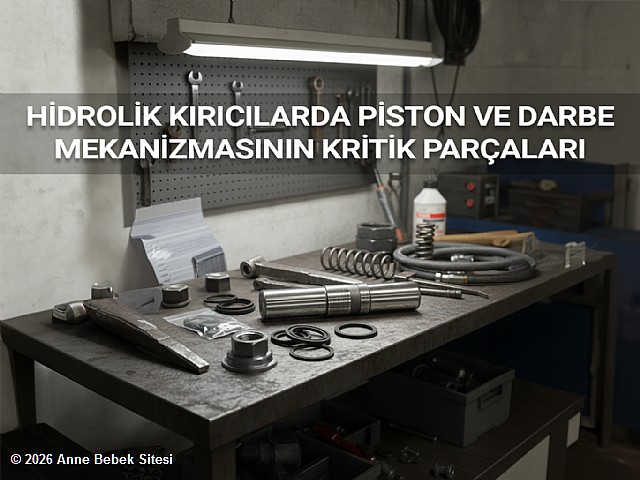
Hidrolik Kırıcılarda Piston Ve Darbe Mekanizmasının Kritik Parçaları

Which part of the crusher changes the most?
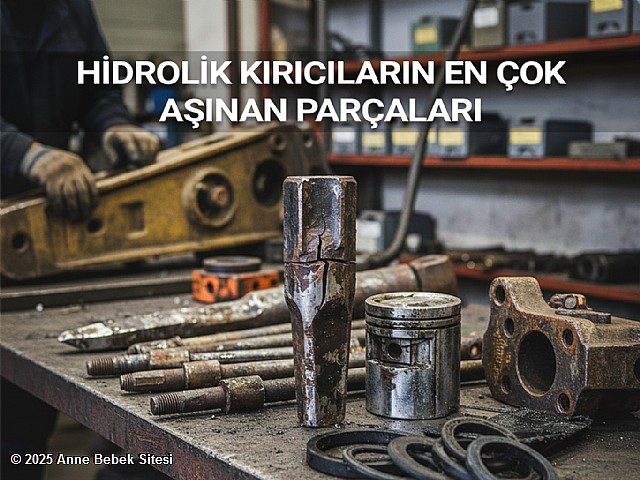
Hidrolik Kırıcıların En Çok Aşınan Parçaları
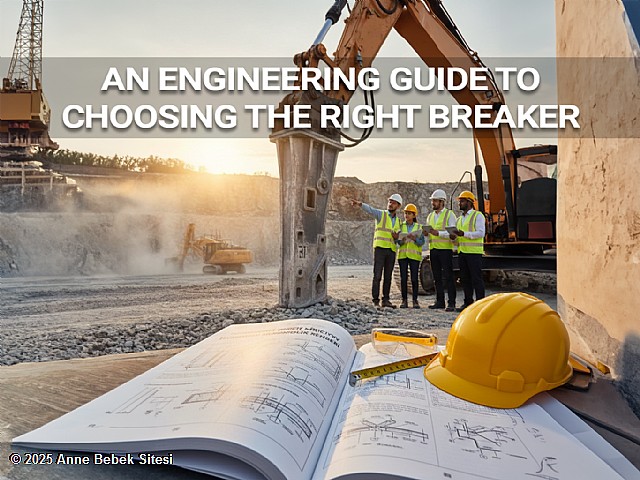
An Engineering Guide To Choosing The Right Breaker

Doğru Kırıcıyı Seçmenin Mühendislik Rehberi
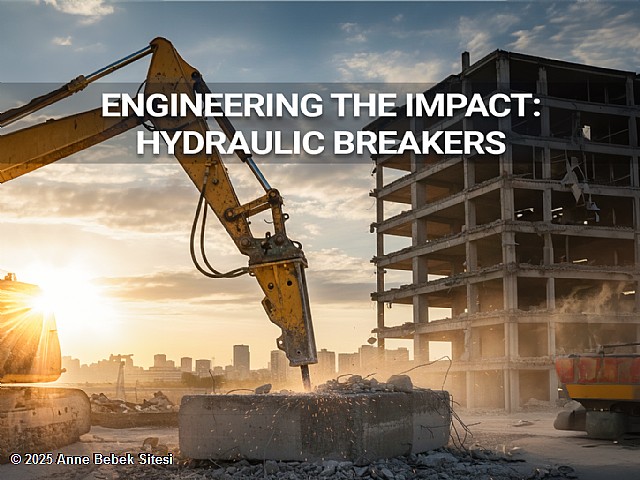
Engineering the Impact: Hydraulic Breakers
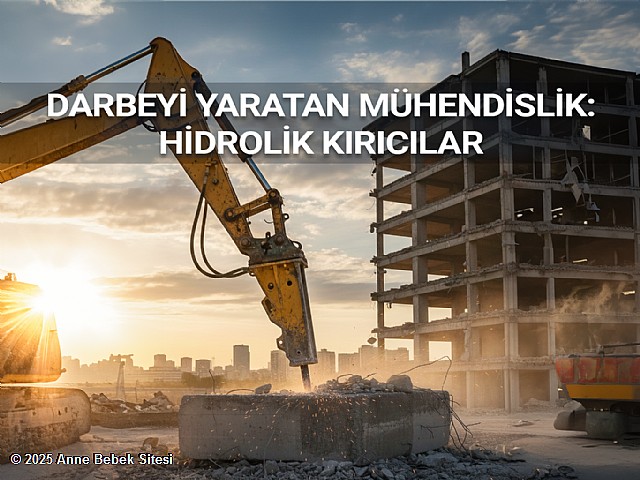
Darbeyi Yaratan Mühendislik: Hidrolik Kırıcılar
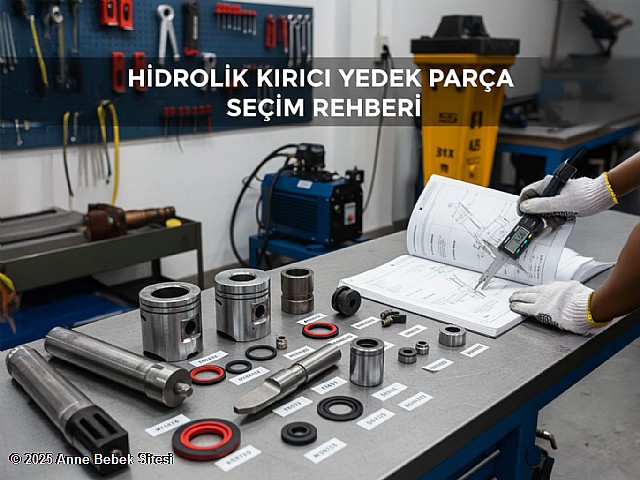
Hidrolik Kırıcı Yedek Parça Seçerken Dikkat Edilmesi Gerekenler

Ayaklarınızdaki Koku Nasıl Önlenir?

Sabahları Dinç Uyanmanın Püf Noktaları

Konjunktivit; Nedenler, Belirtiler, Önleme Ve Tedavi

Şifa Kaynağı Olan Bu Meyveyi Mutlaka Tüketin

Uyurken Sol Tarafınızda Yatmanızın Sağlığınız Üzerinde Kesin Bir Etkisi Var mı?

Çin Astrolojisine Göre Ben'lerin Anlamı Nedir?
Muzların Sağlık Sorunlarınızı Nasıl Kolaylaştırdığını Biliyor musunuz?



2026© Bu sitenin tüm hakları saklıdır.